

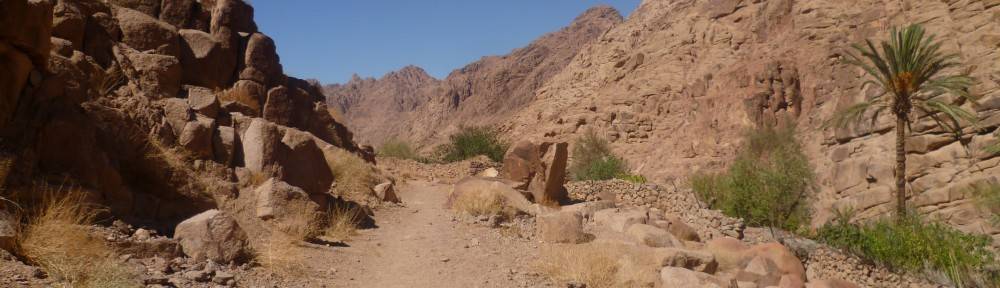
This project aims to increase the family income of impoverished Bedouin families in Sinai. The Mouzaina tribe is large, around 12,000 people, covering most of the territory in the Southern half of Sinai. While a some Bedouin men can earn a small income from tourism such as giving tourists a ‘Bedouin Experience” with a meal in a Bedouin tent, or a camel ride, most Bedouin only have a tenuous income, mostly from the sale of herd animals, like sheep and goats, and camels; there are very few other opportunities for income. The barren and rocky land is not suitable for growing crops or even planting small orchard gardens. Bedouin are barred from working in all the hotels and restaurants on the coast in towns like Sharm El Sheikh, or to have any other work in these areas. They have few assets apart from a huge empty desert landscape, and few ways of generating income.
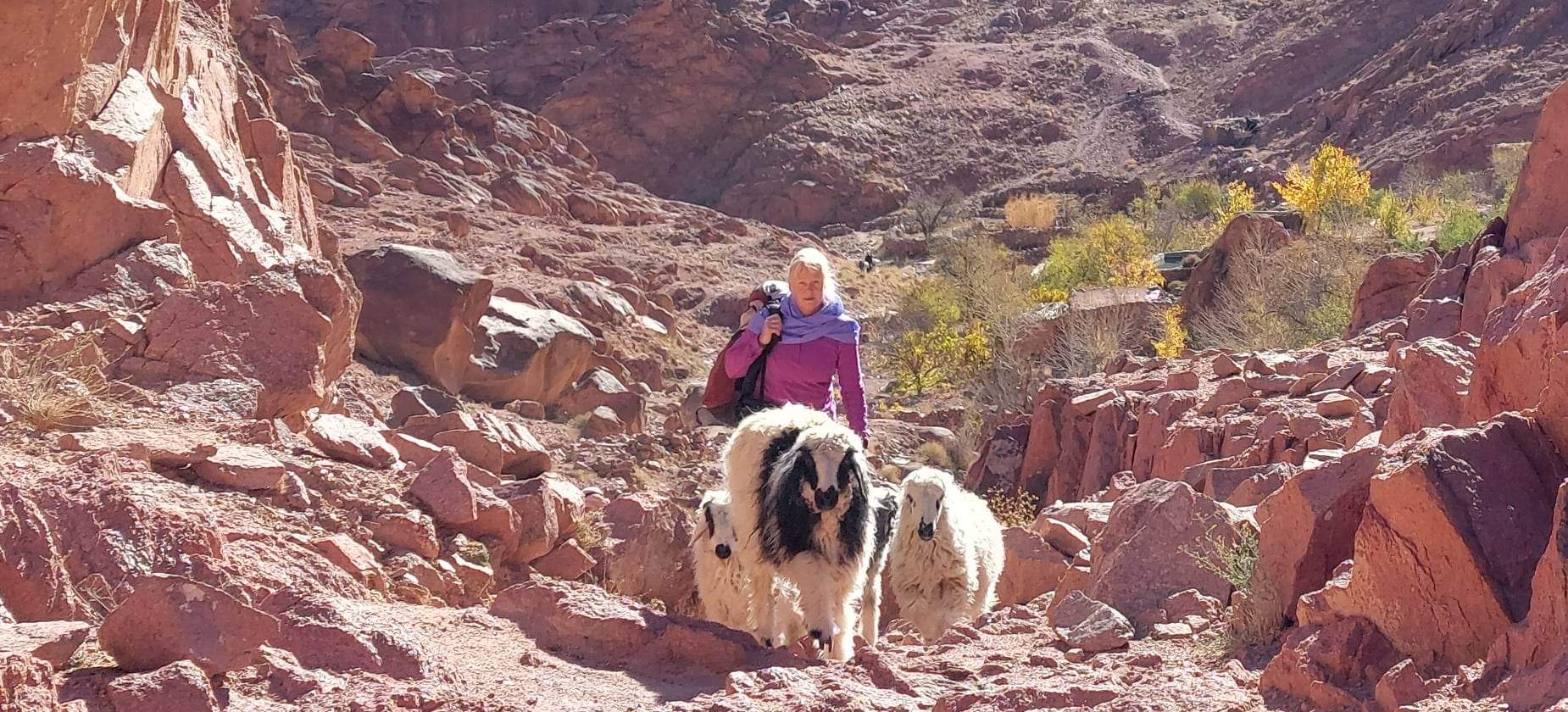
Sheikh Mousa of the Mouazaina tribe carries the responsibility for the well being of the tribe very heavily. He has little income himself, apart from selling animals, but is determined to find a way of helping families, and particularly the women, to help themselves as it is usually the women who shoulder most of the responsibility for their families. The women look after goats, take them out grazing, cook food, and look after the children and are most aware of the poverty gap. Families live very simply in breeze block houses or often in their tents when they follow the grazing (where it has rained) for all the long summer months, and sometimes in the winter too. Conditions are very basic but they are living their heritage.
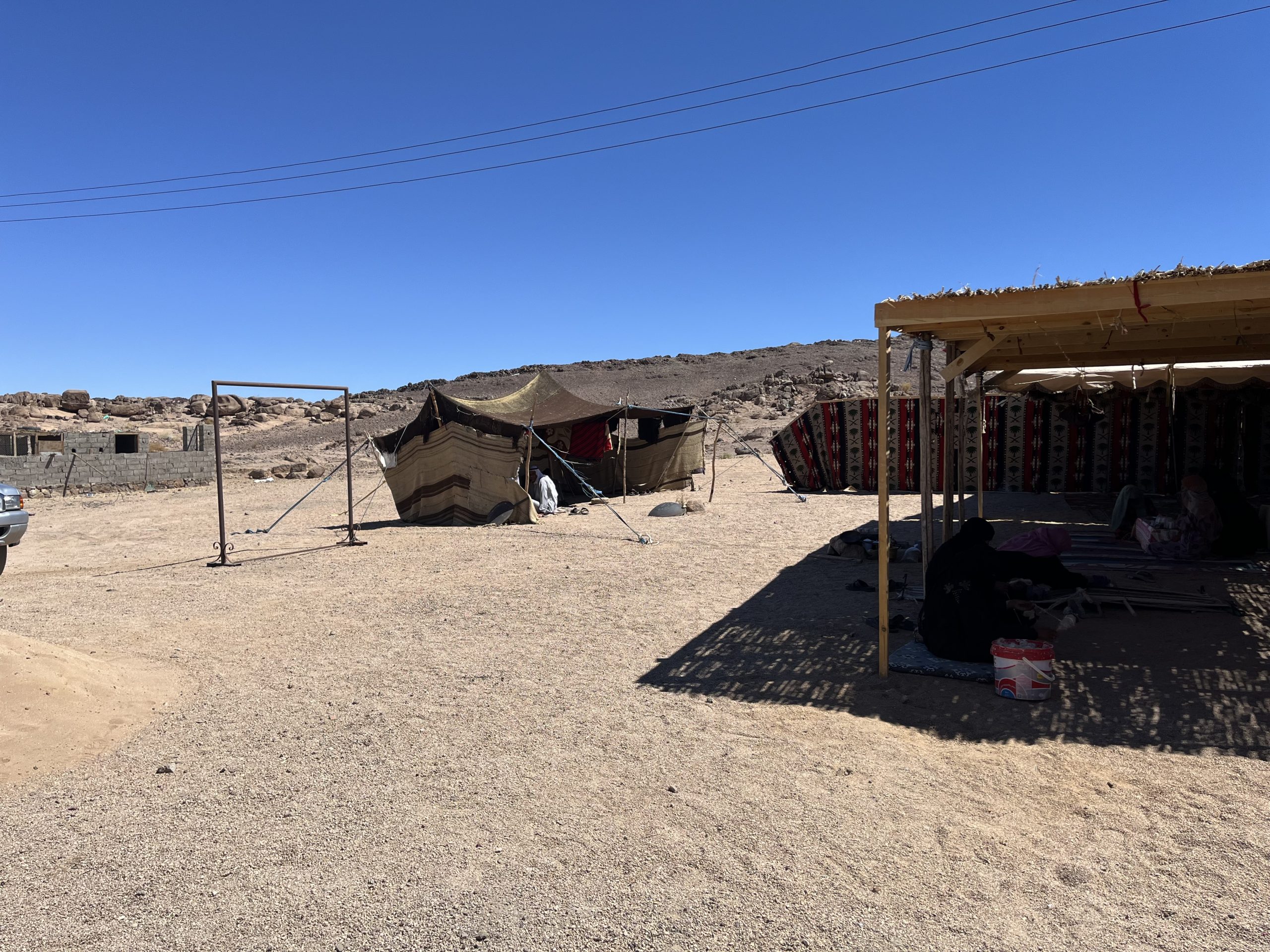
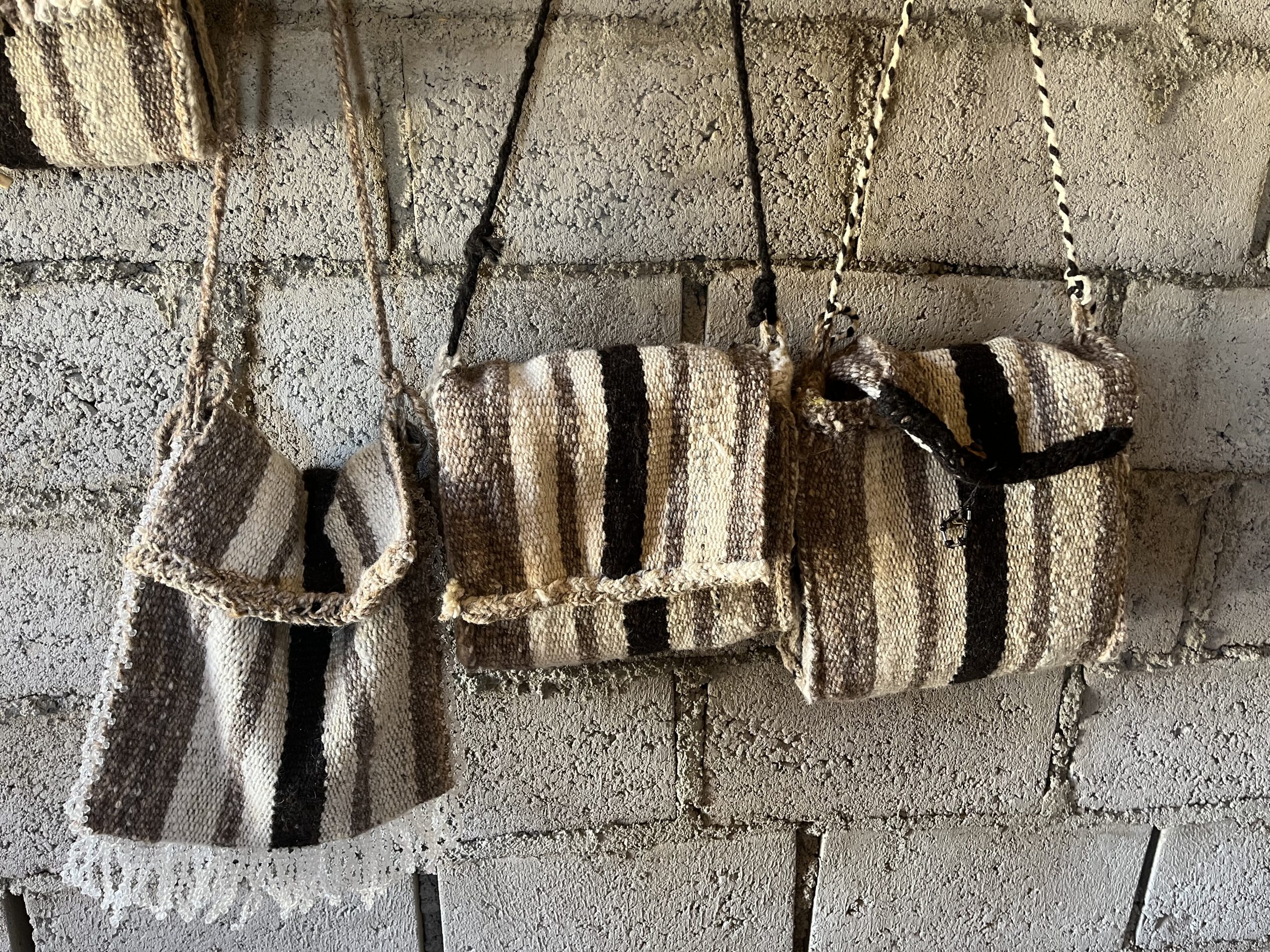
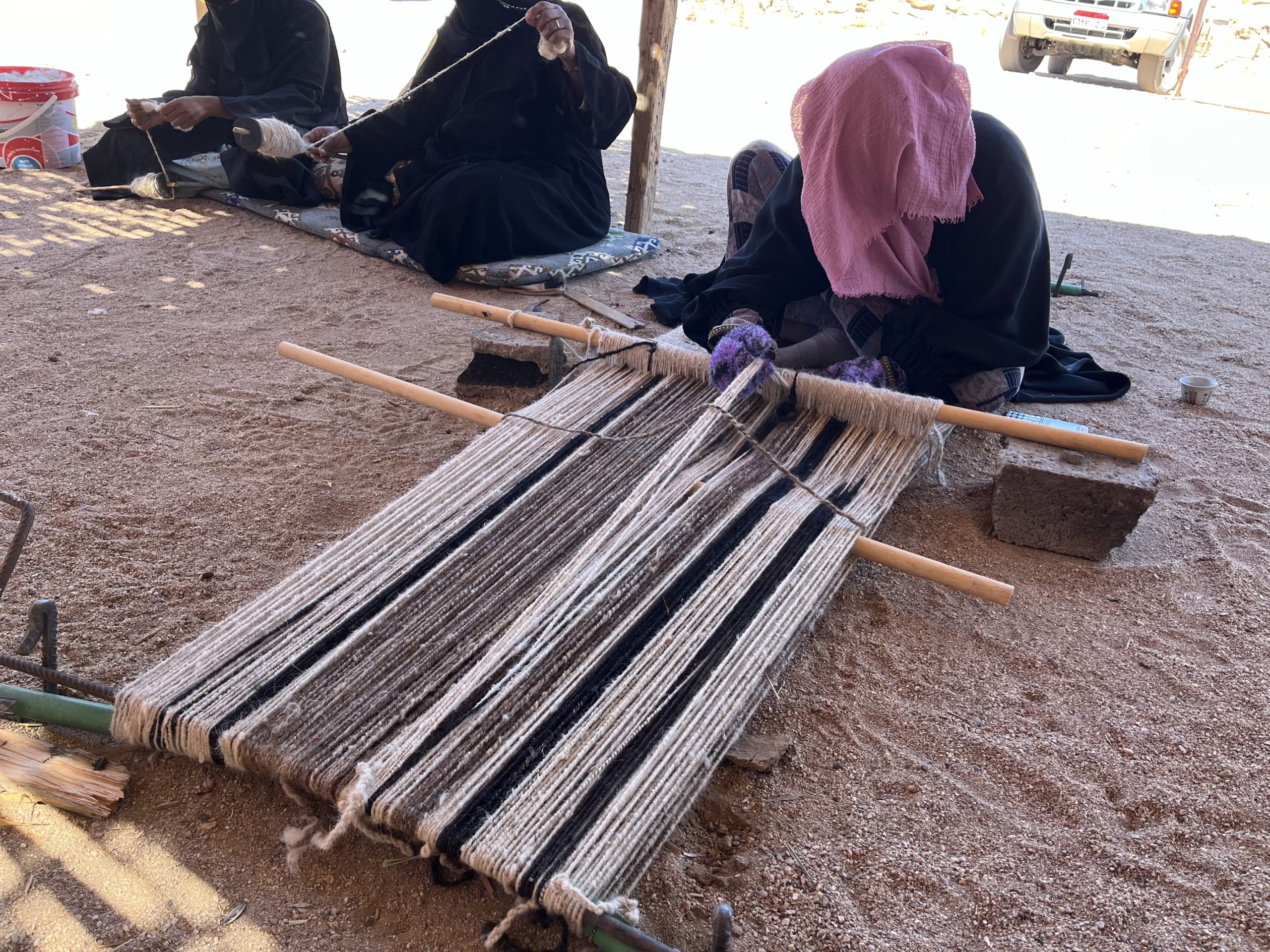
Many years ago, the EU funded a project encouraging women to weave artefacts they could sell but the project ended when funding stopped. Now Sheikh Mousa wants to revive the project but this time, his and our aim is to make it self-sustaining. A friend and long time supporter of the Trust was able to give initial funding which paid for the animal herders to shear and sell wool to the weavers, pay for the transport of wool, materials and people and for the setting up of small rooms where the activities could take place out of the sun and wind. The start up phase has been successful and women are producing rugs for sale. However to further increase the income for the women and families, funds are needed to buy sewing machines and cloth for making clothes, for the building of sand-free sewing rooms in other communities, for transport of materials from sources to the weavers and sewers, and from the women to a shop or point of sale.
Sheikh Mousa has been able to arrange a contract to supply rugs to the tourist souvenir shops in a couple of Sharm El Sheikh hotels which helps with sales but is not sufficient on its own. With the potential for several thousand weavers making rugs more outlets are needed but this is in hand as they are making a bedouin tent shop adjacent to the Monastery shop in St Katherine’s. Coachloads of tourists call here every day. In addition the Governor of South Sinai has promised a shop for Bedouin handicrafts at a major new checkpoint that is under construction on the main East -West road across Sinai at this time.
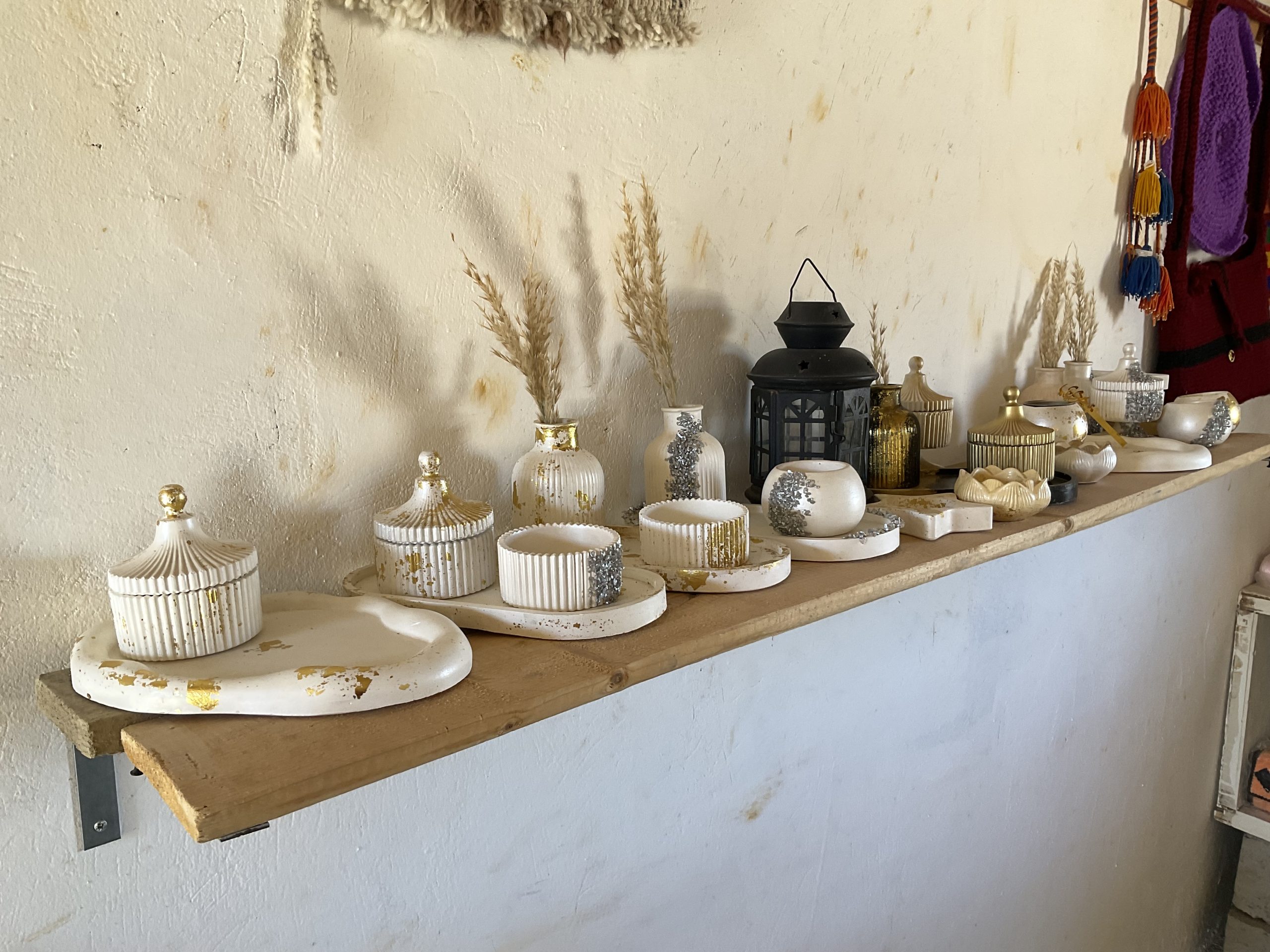
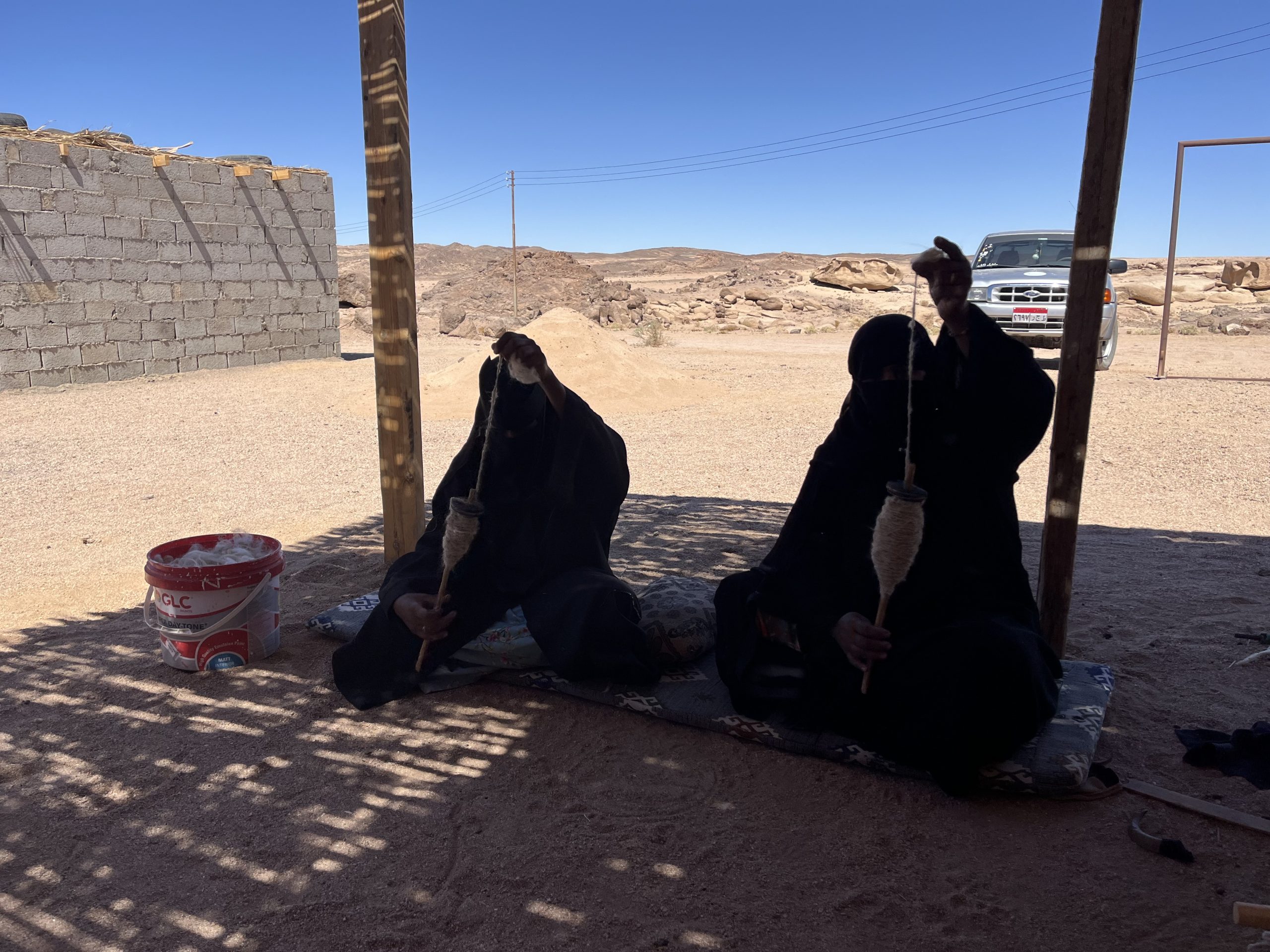
The project is still expanding but seems to have reached Bedouin families in every corner of the desert. Women are shearing goats and sheep again, and camels everywhere are being shorn too, for their wool, all of which is being spun ready for weaving. The young women are making lots of handicrafts that can be sold to tourist, and some older women have been on a sewing machine training course, in preparation for making clothes. The project still has some way to go before being self-sustaining but we hope that will happen in the next couple of years.